


ESG and the 17 Sustainable Development Goals of the United Nations: Taking Responsibility for a Future Worth Living
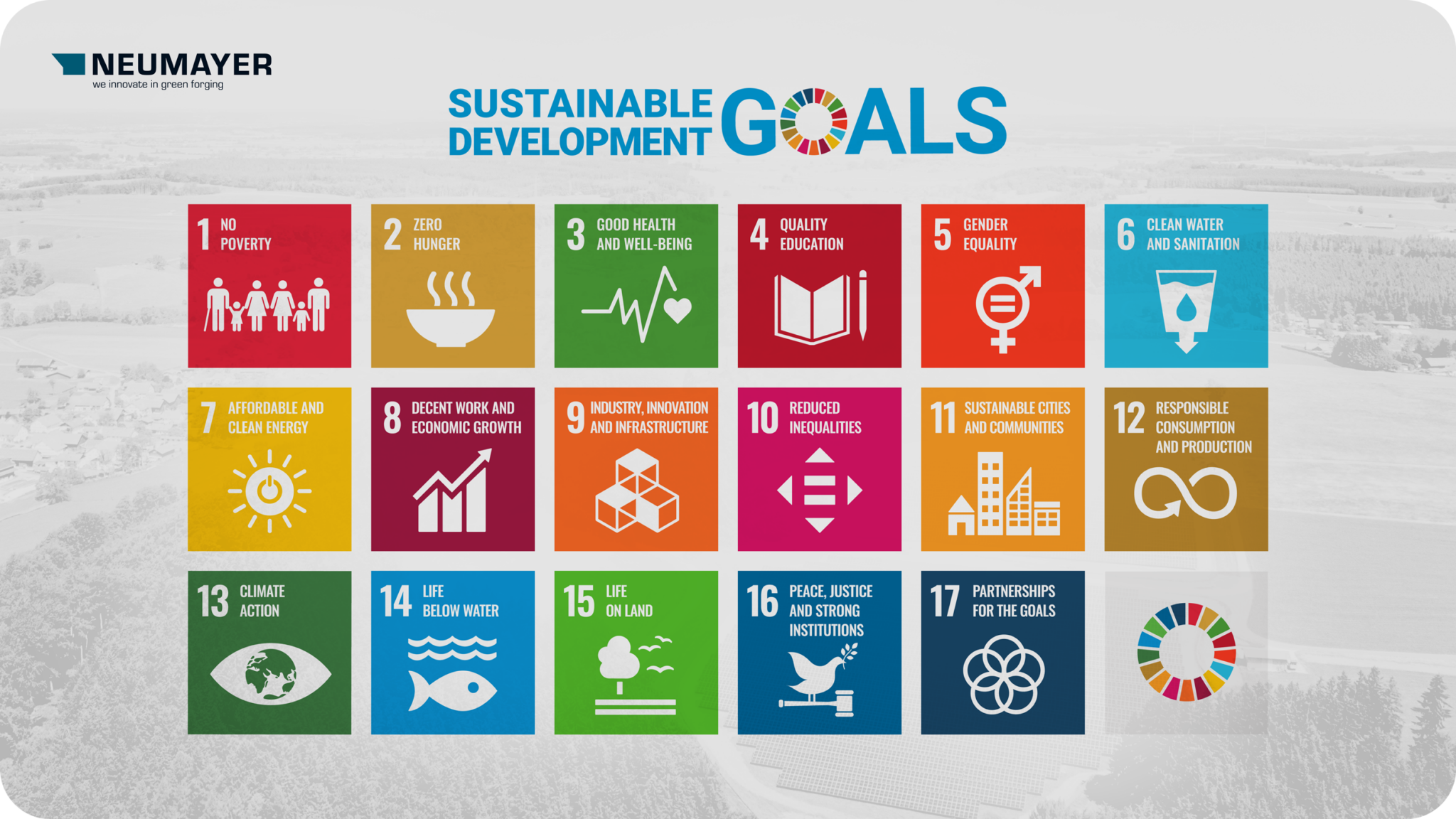
Sustainability is no longer just a trend, but a global task. The 17 Sustainable Development Goals (SDGs) of the United Nations have been the framework for a just, environmentally friendly and economically sustainable future since 2015. The goal is to reduce poverty, protect the planet and promote prosperity.
But how can these global goals be put into practice? One answer is the ESG principle: Environment, Social and Governance. ESG is a tool that helps translate the vision of the SDGs into measurable action.
What does ESG mean?
ESG considers economic activity in three dimensions. The Environment area includes the careful use of energy and resources, climate protection and the reduction of emissions. Social stands for human interaction, i.e. fair working conditions, health, safety and social commitment. Governance refers to responsible corporate governance that ensures transparency, integrity and ethical behavior. Together, these three areas form the foundation for sustainable development and thus bridge the gap between global goals and concrete action.
The SDGs make it clear that ecological, social and economic systems are inextricably linked, for example: Without climate protection there is no food security, without education there is no stable society, without sustainable production there is no healthy environment. ESG therefore creates awareness of these connections and calls for responsibility to be taken beyond one’s own area of responsibility. It is not just about the future of individual companies, but about the quality of life of future generations.
Sustainability is viewed comprehensively here. It means shaping progress in such a way that social justice, economic stability and environmental protection remain in balance. Social sustainability focuses on education, health and equal opportunities. Economic sustainability focuses on innovation and resource efficiency. Ecological sustainability preserves natural resources and limits climate change.
This interaction is the heart of the 2030 Agenda – and is also reflected in the actions of Richard Neumayer GmbH.
Neumayer has strategically anchored ESG
In the Environment area, our focus is on climate protection. Through innovations and targeted investments, we have significantly reduced CO₂ emissions within our own sphere of influence. The electricity demand is completely covered with green electricity, and the use of energy is significantly reduced by processes such as heat treatment with forging heat. Our long-term goal is climate neutrality by 2050 in accordance with the Science Based Targets Initiative (SBTi).
In the Social area, we focus on education and training, integration and health. More than 20 trainees are learning in five professions, and employees can study or qualify as specialists, master craftsmen or technicians while working. Language courses and health programs promote well-being and cohesion. At the same time, the company is involved in the region – from schools and clubs to cultural events. We release employees who are involved in civil protection. Neumayer was recognized by the state of Baden-Württemberg as an employer that supports volunteering.
At Neumayer, governance means transparent, value-oriented leadership. Clear structures, ethical principles, data protection and information security are part of our corporate culture. Among other things, we have had our goals validated by the renowned Science Based Targets initiative (SBTi), an independent initiative of leading environmental and climate protection organizations such as WWF, CDP, UN Global Compact and World Resources Institute (WRI). We also publish a Sustainability Update every year.
The 17 goals of the United Nations show that the environment, society and the economy can only be sustainable together. ESG translates this global vision into concrete action. For Neumayer, this means taking responsibility, conserving resources, promoting people and driving innovation. Sustainability is not a state, but an ongoing process – we are pursuing this path with conviction.


